
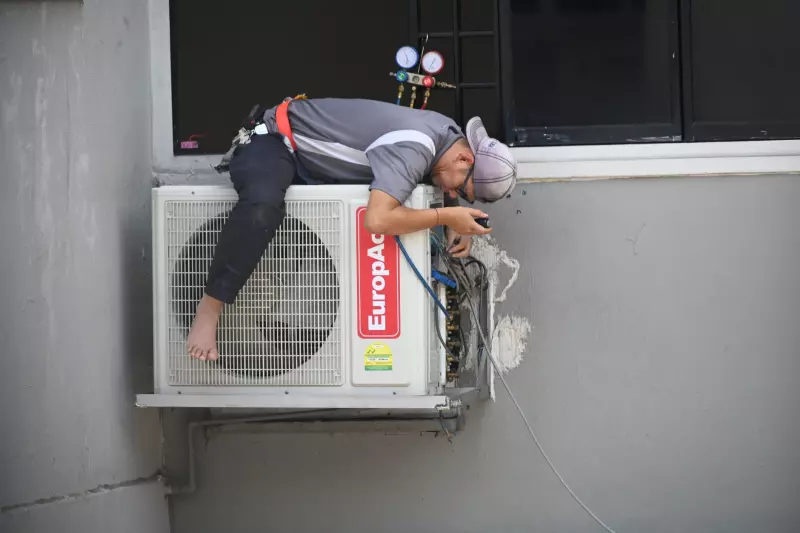
Mastering AC Installation: Your Guide to Lasting Comfort
You know, I once saw a friend struggle for an entire summer because his brand new AC unit just wasn't cutting it. It blew air, sure, but the house never felt truly cool. He was baffled. Turns out, the "installer" (and I use that term loosely) botched the job from day one. This happens a lot. We buy expensive equipment, expecting relief, but a poor installation can ruin everything. It's a big deal. Really.
Think about it: Your air conditioner is a complex system. It isn't just a fancy fan. It needs to be perfectly tuned to your home. That's why diving deep into AC installation isn't just smart; it's absolutely necessary if you want real, consistent comfort. You're putting down serious cash. You deserve top performance. Don't you?
Why Installation Quality Really Matters
Look, let's be realistic. A perfectly good AC unit, installed badly, is simply a bad AC unit. It won't work right. It won't last long. And it certainly won't save you money. Here’s the real kicker: improper installation can lead to all sorts of headaches.
- Wasted Energy: An improperly installed system can lose a significant amount of its cooling capacity. This means it runs longer and harder. Your energy bills? They'll skyrocket. You're literally throwing money out the window.
- Reduced Lifespan: When a unit is stressed, its components wear out faster. Expect repairs. Expect early replacements. No one wants that.
- Poor Comfort: Hot spots. Cold spots. Humidity issues. The whole point of an AC is even, comfortable cooling. Bad installation kills that dream.
- Voided Warranties: Many manufacturers won't honor warranties if the unit wasn't installed by a certified professional. Poof, goes your protection.
It's not just about getting cold air. It's about getting the right cold air, efficiently and reliably, for years to come. Make sense?
The First Big Step: Proper Sizing
Honestly, you probably already know this, but choosing the right size AC unit is a non-negotiable first step. It's not about "bigger is better." That's a myth. An AC unit that’s too big for your home will cycle on and off too frequently. This short-cycling wastes energy and doesn't adequately remove humidity. Your house feels clammy. Gross.
On the flip side, a unit that’s too small will run constantly, never quite reaching your desired temperature. It works its tail off. You still sweat. And those energy bills? Still high. See the problem?
A good installer uses something called a "Manual J" load calculation. This isn't guesswork. It's detailed. It considers so many factors:
- Your home's square footage.
- Ceiling height, naturally.
- Window types and their orientation (hello, sun!).
- Insulation levels in your walls and attic.
- The climate where you live.
- The number of occupants (warm bodies generate heat!).
- Even appliances that give off heat.
This calculation ensures your new unit is the perfect match. No more, no less. This step is critical. Don't skip it.
Breaking Down the Installation Process: What Happens?
Alright, so you've got the right size. Now what? The actual installation is a multi-step dance. Each move counts.
Outdoor Unit Placement and Setup
The outdoor unit, or condenser, needs a solid, level pad. It needs good airflow around it. Obstructions? Bad news. It needs to be away from dryer vents and exhaust fans, too. These can contaminate the coil. Not good. Plus, it should be easily accessible for maintenance later. Makes sense, doesn't it?
Indoor Unit: The Heart of the System
The indoor unit, often called the evaporator coil or air handler, typically sits in your attic, basement, or a utility closet. It's connected to your ductwork. Proper connection is everything. Any gaps mean air leaks. This wastes tons of energy. Your cooled air escapes. Not what you want.
The Ductwork Connection: Your Home's Airways
This is huge. If your existing ductwork is leaky, undersized, or poorly designed, even a perfect new AC unit won't perform. We're talking up to 30% of your conditioned air getting lost. Can you believe it? Sometimes, replacing or sealing ducts is a bigger job than the AC unit itself. But it's worth it. It truly is. A good installer checks for:
- Proper sizing for airflow.
- Tight seals.
- Adequate insulation.
- No kinks or blockages.
Don't overlook this. Seriously.
Refrigerant Lines: The Lifeline
These copper lines connect the indoor and outdoor units. They're what carry the refrigerant, the stuff that actually cools your air. Here's why precision is key: the lines need to be the right size. They need to be insulated. And most importantly, they must be properly evacuated. What's that mean? All air and moisture must be vacuumed out of the lines before refrigerant is added. Any contamination? It spells disaster. It can kill your compressor. Nobody wants to replace a compressor early. Trust me on this. And the refrigerant itself? It needs to be the exact amount specified by the manufacturer. Not too much, not too little. It's a precise science.
Electrical Connections and Drainage
Safety first! All electrical wiring needs to meet local codes. It needs to be secure. The condensate drain line, which carries away the moisture pulled from your air, must be sloped correctly. No standing water. Standing water creates mold. It causes blockages. And then your system shuts down. A minor detail? Not at all.
The Final Tune-Up: Testing and Calibration
Once everything's hooked up, a professional doesn't just walk away. They test. They calibrate. This includes:
- Checking refrigerant levels.
- Measuring airflow.
- Testing thermostat functionality.
- Verifying proper electrical draw.
They make sure it all hums along perfectly. It should be perfect.
DIY vs. Professional: A No-Brainer
Look, I know the allure of saving a buck. We all do. But AC installation isn't a weekend DIY project. It's not like assembling IKEA furniture. This is complex. It involves specialized tools, knowledge of electrical systems, refrigerant handling (which is regulated, by the way), and HVAC principles. A close friend of mine once tried to install a mini-split system himself. He watched a ton of YouTube videos. Seemed easy enough, right? Wrong. He spent days on it, messed up the refrigerant lines, and ended up paying a professional more to fix his mistakes than he would have paid for the original installation. It was a costly lesson. Don't make his mistake.
Hiring a certified HVAC technician protects your investment. It ensures safety. It ensures efficiency. They know what they're doing. Period.
A Few Things to Look for in an Installer
How do you pick a good one? It's important. Here's what I'd consider:
- Certification: Are they NATE-certified? That’s a good sign.
- Experience: How long have they been doing this? Longevity speaks volumes.
- References: Ask for them. Don't be shy.
- Written Estimates: Everything in writing. No surprises.
- Warranty: What kind of warranty do they offer on their work?
Don't just go with the cheapest bid. That's often a trap. You want quality. You want peace of mind.
After the Install: What Next?
Even with a perfect installation, your AC needs a little love. Regular maintenance extends its life. Change your filters often. Have a professional check-up once a year. It's like changing the oil in your car. Small effort. Big payoff.
Proper AC installation isn't just a convenience; it's a foundational step for home comfort and energy efficiency. It truly is. Skimp on this, and you'll pay for it later, in higher bills, frequent breakdowns, and constant discomfort. Do yourself a favor. Invest in a proper installation. You won't regret it. Your wallet won't either. Stay cool out there!