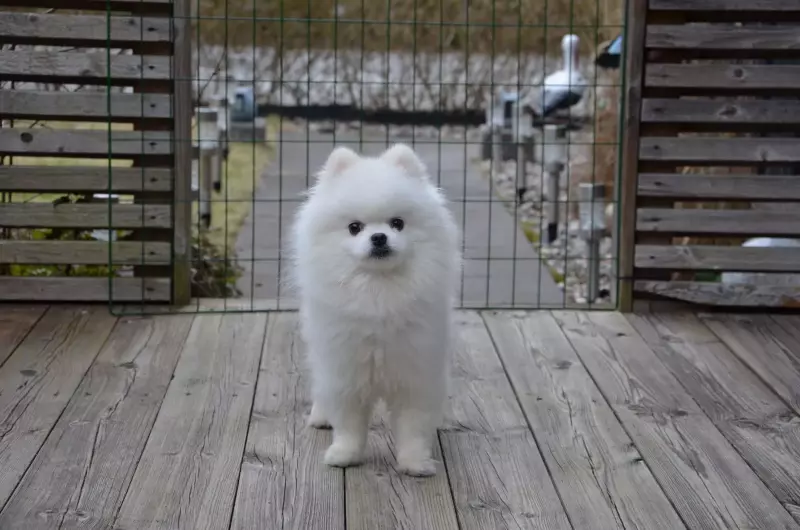
The first time I held a Toy Pom, I honestly thought I was holding a vibrating, angry cotton ball. It was tiny, incredibly fluffy, and had a bark that could shatter glass. That was my introduction to my aunt's dog, Buster, and since then, I've been fascinated by these pocket-sized dynamos. Officially known as Pomeranians, they look like mini lions, but in their own minds, they're actual, full-sized lions ready to defend their kingdom against the mailman or a stray leaf blowing across the yard. Let's clear up a common misconception first. People often ask me what the difference is between a Pomeranian and a "Toy Pom." Truth is, they're the exact same thing. The Pomeranian is already classified under the toy group by major kennel clubs. Some breeders use terms like "Toy Pom" or "Teacup Pom" to make them sound even more microscopic, but at the end of the day, we are talking about the same feisty, double-coated ball of fluff originating from the Pomerania region in north-west Poland and north-east Germany.
The Spitz Heritage Hidden in a Tiny Body
It's wild to think these little guys used to pull sleds. Yes, really. They descend from much larger Arctic Spitz dogs. If you look closely at a Toy Pom, you can still see those ancestral traits: the prick ears, the thick double coat designed to keep out freezing winds, and that tail curling proudly over the back. But over the centuries, breeders shrunk them down. Queen Victoria fell in love with them in the late 19th century and established her own breeding kennel, which dramatically reduced their size. What we're left with today is a dog that weighs anywhere between 3 to 7 pounds of pure, unadulterated sass.
If you think a three-pound dog can't run your entire household, you've clearly never lived with a Toy Pom. They don't just occupy space; they dominate it.
That Incredible, Pain-in-the-Neck Coat
Let’s talk about the fluff. It’s gorgeous, right? It’s also a full-time job. Toy Poms have a double coat: a short, dense undercoat and a longer, harsher outer coat that stands off the body. Here’s what the daily routine looks like if you want to keep them looking like a dog and not a matted tumbleweed:
- Brushing. Every single day. If you skip a few days, you're looking at a matting disaster, especially behind the ears and around the collar area, which is honestly a nightmare to de-tangle once those tight little knots form close to the skin.
- Line brushing is the secret. You can't just swipe a brush over the top. You have to part the hair and brush from the skin outward. It's tedious, but your dog will thank you.
- The blow-out seasons. Twice a year, they lose their undercoat. It’s like a snowstorm of dog hair. It gets in your coffee, your eyelashes, your car vents.
Professional trims help keep them neat, especially around the sanitary areas (trust me on this, you don't want poop stuck to that glorious white or orange fluff). But never, ever shave a Pomeranian down to the skin unless there's a strict medical emergency. Shaving damages the undercoat, and it might never grow back the same. It can even lead to alopecia.
Big Dog Attitude in a Micro Package
These dogs do not know they are small. I’ve watched a five-pound Toy Pom try to square up against a Great Dane at the dog park. It’s terrifying and embarrassing all at once. They are naturally alert, which makes them excellent watchdogs, though their definition of "threat" includes drifting leaves, plastic bags, and dust motes. They are incredibly smart. They learn tricks fast because they want to please you (or more likely, they want that piece of cheese in your hand). But they have a stubborn streak a mile wide. If they don't see the point in doing what you ask, they'll just stare at you with those dark, beady eyes. Housebreaking? Oh boy. This is the steep hill you have to climb. Because their bladders are the size of a walnut, they have to go often. And because they're so small, they can easily sneak behind an armchair, do their business, and walk away without you noticing until three days later. Consistency, crate training, and a lot of patience are your only weapons here.
What Do They Eat? (It's Not Much, But It Matters)
Toy Poms have incredibly fast metabolisms but tiny stomachs. It's a tricky balancing act. If you feed them too much, they balloon up quickly, which puts immense pressure on those fragile knees. If you feed them too little, their blood sugar plunges. I always recommend high-quality kibble designed for small breeds. The kibble size needs to be small enough so they don't choke. Also, they are notorious freeloaders. They will sit by your feet, giving you those big cartoon eyes, begging for a piece of your chicken. Stay strong. Human food can easily upset their sensitive tummies, and pancreatitis is no joke.
Health Issues: What You Actually Need to Know
I’m not going to sugarcoat this. Tiny dogs come with tiny, fragile parts. If you're thinking of bringing a Toy Pom into your life, you need to budget for vet bills. Here’s a quick breakdown of what commonly goes wrong:
- Tracheal Collapse: This is a big one. The cartilage rings in their windpipe can weaken and flatten out. If your Pom starts making a honking noise like a goose when they get excited or pull on their leash, that's why. Always use a harness, never a collar, to walk them. Protect that throat.
- Luxating Patella: In plain English, their kneecaps slip out of place. You’ll see them running and suddenly do a weird little hop or hold one leg up for a few steps before popped back in. It can lead to arthritis later in life.
- Dental issues: Their mouths are tiny, but they still have 42 teeth. This means crowding is a major problem. Food gets trapped easily, leading to tartar buildup, gum disease, and early tooth loss. You have to brush their teeth. Yes, with a tiny toothbrush.
- Hypoglycemia: Especially in tiny puppies, their blood sugar can drop dangerously fast if they skip a meal or get too stressed. A dollop of Nutri-Cal or maple syrup on their gums can save their life in an emergency.
The "Small Dog Syndrome" is Real (But Preventable)
If you carry your Toy Pom everywhere in a designer purse like they're an iPhone accessory, you are setting yourself up for disaster. I see this all the time. Owners shield their Poms from the real world, and the result is a terrified, aggressive little land shark that lunges at anything that moves. You have to let them walk on their own four paws. Let them sniff grass. Let them meet polite, calm bigger dogs. Introduce them to vacuum cleaners, umbrellas, and noisy trucks early on. If you socialize them well, they become confident, outgoing little adventurers instead of anxious yappers. They aren't fragile little ornaments, even if they look like them. They are active, busy dogs who need mental stimulation. If you leave them alone in a flat for ten hours a day, they will bark. They will bark at the walls, at the neighbors, at the silence. Their high-pitched yapping can easily strain neighborly relations. They also aren't great for families with very young children. A toddler can easily drop a Toy Pom or step on them, causing broken bones or worse. They thrive best with singles, active seniors, or families with older, respectful kids who understand how to handle a delicate dog. But if you have the time to brush them, the patience to train them, and don't mind a shadow following you everywhere (even to the bathroom), they are incredibly rewarding companions. They will laugh with you, snuggle under your chin, and fill your home with a surprisingly massive presence. Just be prepared to share your couch, your bed, and your heart with a tiny dictator.